Why Remote Destinations Are Becoming the New Therapy
Autor
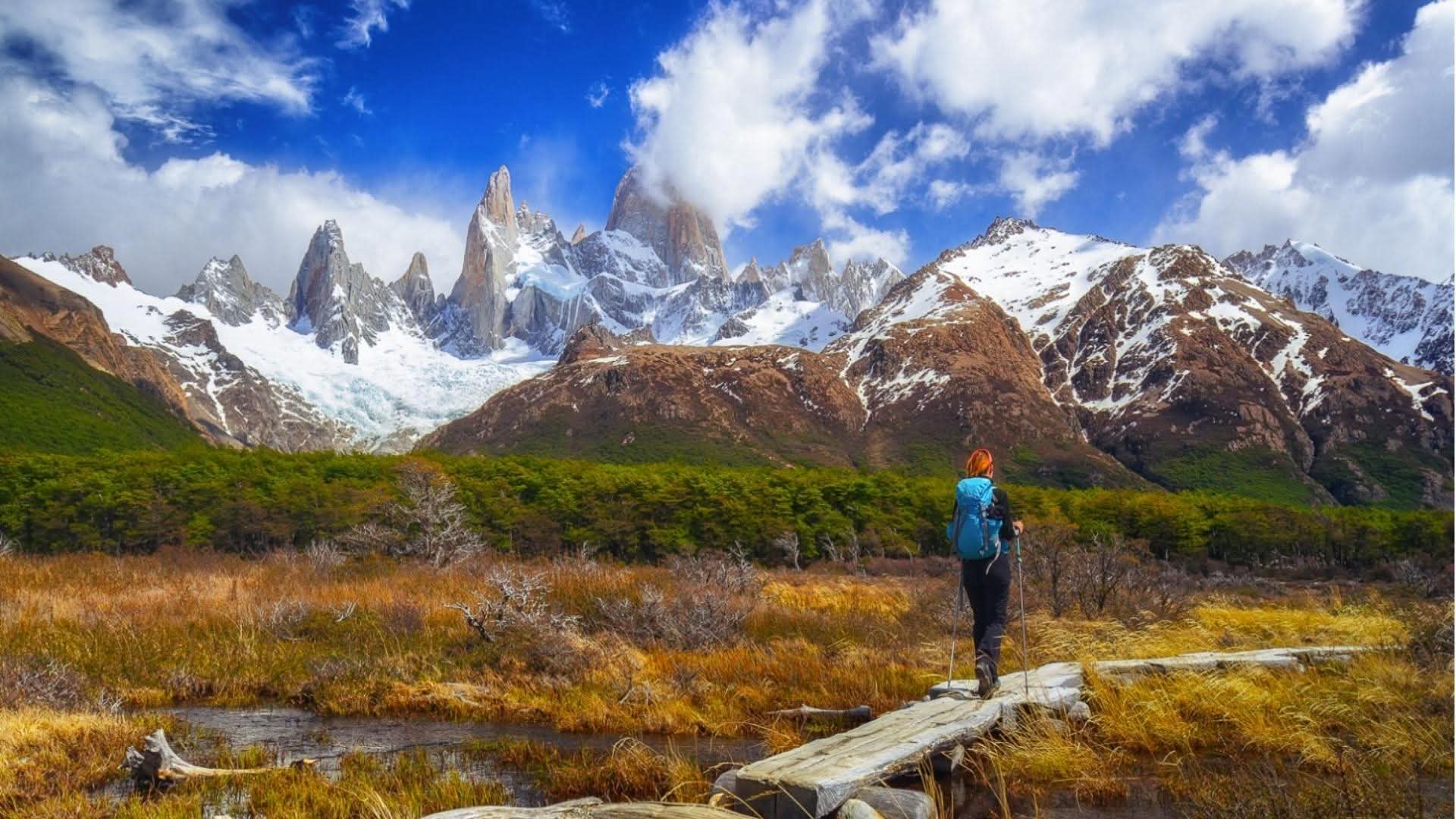
There is something that changes when you arrive in a place where nature is the loudest thing around.
It is not complete silence. It is a different kind of sound. The wind moving through the leaves. Water lapping against the shore. A bird appearing and disappearing among the trees. When the environment is like this, the body relaxes before the mind understands why.
That is where the practice of mindfulness in nature becomes remarkably simple.
It does not begin with an elaborate technique. It begins with something basic: breathing.
One of the simplest meditation practices I learned during a mindfulness retreat was to embrace the breath. Not to control it, not to force it, but simply to feel it as it comes in and goes out. As if every inhale were a gentle reminder that you are here.
In those moments, I also understood something important: the mind never becomes completely silent.
A thought always appears. Something you forgot to do. A memory. A plan for tomorrow. For a long time, I believed meditation meant stopping those thoughts, but mindfulness teaches something different. Thoughts are not the problem. The problem is chasing them.
The invitation is gentler.
Notice them.
And let them pass.
Like clouds drifting across the sky.
At many mindfulness retreats throughout Latin America, the practice does not happen only while sitting in silence. It happens while walking, listening, and observing. Nature itself becomes part of the exercise.
One practice I was taught involved using the senses to return to the present moment.
It is surprisingly simple.
First, notice five things you can see. Not grand landscapes, but small details. The shape of a leaf. A stone. The way light touches the water.
Then identify four sounds. Perhaps the wind. Perhaps an insect. Perhaps water moving somewhere nearby.
Next, bring your attention to three physical sensations. The weight of your body on the ground. The temperature of the air against your skin. The movement of your chest as you breathe.
Then notice two scents. Damp earth. Sea salt. Wood.
It is a simple exercise, but it works because it gently brings the mind back to the body.
There is something special about mindfulness practices in natural settings: the environment supports the process. You are not trying to focus amid traffic noise, screens, and constant notifications.
In fact, many mindfulness journeys today include something that seemed radical just a few years ago: a digital detox retreat.
No emails.
No social media.
No checking your phone every five minutes.
At first, it can feel uncomfortable. Then something emerges that many people have not experienced in a long time: mental stillness.
Not because the mind becomes empty, but because it is no longer receiving a constant stream of stimulation.
Over time, I came to understand why more and more people are seeking remote destinations as a form of self-care. The benefits of mindfulness in nature are not only emotional; they are physical as well. The nervous system begins to regulate. Breathing becomes deeper. The body no longer remains in a constant state of alertness.
But perhaps the most interesting part is that the practice does not end when you leave.
After experiencing mindfulness travel, something changes in the way you walk, the way you breathe, and the way you see the world.
You learn that the present moment is not something you have to find in a special place.
You simply have to return to it.
Sometimes all it takes is a breath.
Sometimes all it takes is listening.
Sometimes all it takes is looking around and remembering that the moment unfolding right now is the only one that is truly happening.