
The Art of Conscious Travel:
A Guide to Meaningful Exploration
Beyond checklists, conscious travel is about choosing depth over distance.
Discover how to support local economies, embrace the “slow travel” philosophy, and protect the planet through cultural humility. Travel isn’t just a trip; it’s an intention.
Autor
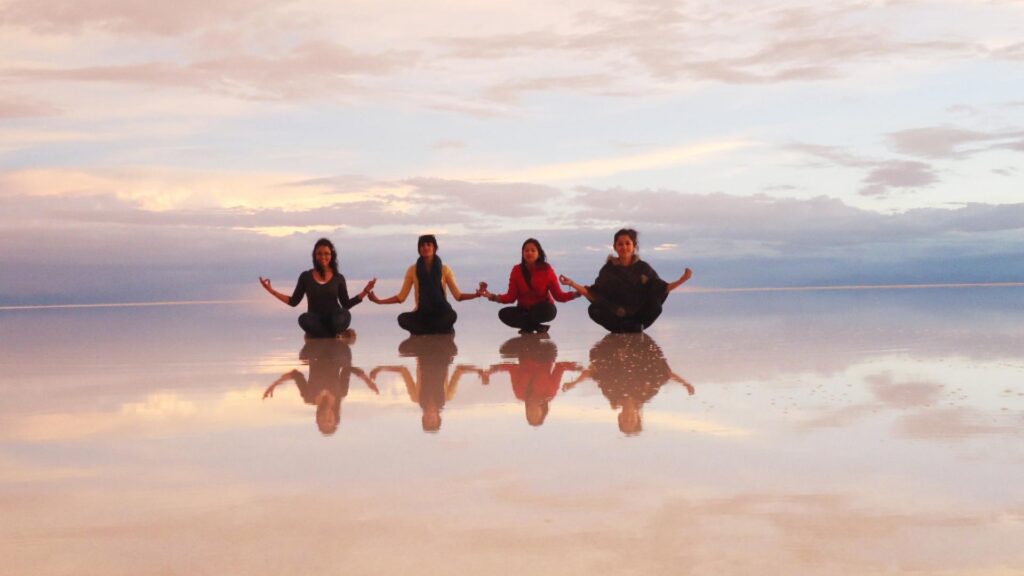
Travel has undergone a massive transformation in the last decade. We’ve moved from an era of discovery to an era of “ticking boxes.” In a world where you can book a flight to the other side of the planet in three clicks, travel has become a commodity—something we consume rather than something we experience. Conscious travel is the antidote to this trend. It isn’t about being a “perfect” traveler (let’s face it, that doesn’t exist); it’s about moving through the world with intention. It is the shift from being a spectator to being a guest.
The Economic Footprint: Fighting “Tourism Leakage”
When we plan a trip, we often focus on our own budget. But have you ever considered the budget of the destination? There is a phenomenon known as tourism leakage, where the money spent by travelers doesn’t actually stay in the local community. Instead, it “leaks” back to international hotel chains, global airline headquarters, and foreign-owned tour operators. In some developing nations, research shows that for every $100 spent by a tourist, only $5 remains in the local economy.
To travel consciously is to reclaim that economic power. It means choosing the family-run pension over the global resort. It means eating at the “hole-in-the-wall” restaurant where the grandmother is in the kitchen, rather than the familiar fast-food chain. When you buy a souvenir, look for the artisan behind the counter. Your currency is a vote for the kind of world you want to see; use it to fund the dreams of the people who actually live in the places you love.
The Philosophy of Slow Travel: Depth Over Distance
We’ve all seen the itineraries: “10 European Capitals in 12 Days.” It sounds impressive on paper, but in reality, it’s a blur of airports, train stations, and exhaustion. By the third cathedral, they all start to look the same.
Slow travel is the intentional choice to do less. It’s the realization that you will never see “everything,” so you might as well see something deeply. Instead of hopping across a country, stay in one neighborhood for a week. Become a “regular” at the corner bakery. Learn the name of the person who makes your coffee. When we slow down, serendipity happens. You aren’t just looking at a monument; you’re witnessing the rhythm of daily life. This approach doesn’t just reduce your carbon footprint by cutting down on transport; it enriches your soul by allowing for genuine human connection.
Ecological Integrity: Beyond the Reusable Straw
Environmental stewardship is often reduced to “carry a reusable bottle,” and while that’s a vital start, conscious travel goes deeper. It requires us to acknowledge that our presence has a physical impact on the land.
Think about the resources of the destination. If you are in a drought-stricken region, a long shower isn’t just a luxury—it’s a theft from the local water supply. If you are visiting a fragile ecosystem like a coral reef or a high-altitude mountain pass, your behavior dictates whether that beauty survives for the next generation.
Furthermore, we must address the “Instagram effect.” Overtourism is fueled by the desire to capture a specific photo. If a trail is closed for restoration, respect the barrier. If a local community asks you not to photograph their sacred sites, put the phone away. Being a steward means protecting the integrity of a place, even if it means you don’t get the “perfect” shot for your feed.